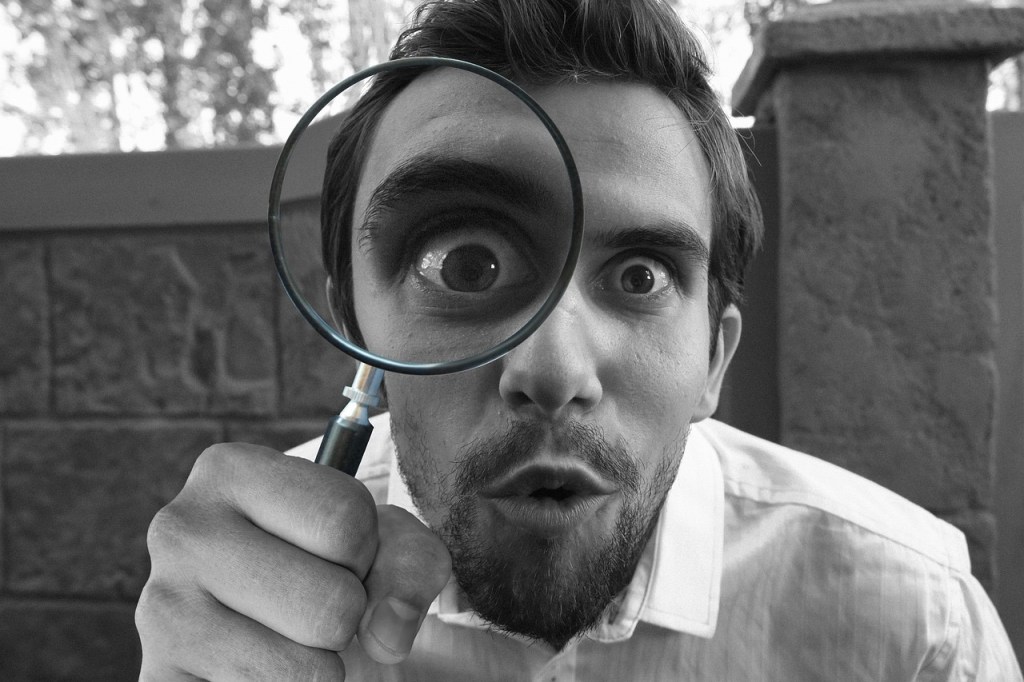
You look. You judge.
It’s what you do, sometimes without even realizing it. A glance across the room, a scroll on social media, a reaction to someone’s words, tone, or silence—you observe a person’s behavior and often make judgments. “She’s rude.” “He’s fake.” “They’re lazy.” “That smile is too big to be real.”
A couple post ago, we discussed the danger with putting people on pedestals. Today, let’s tackle judgement.
We’ve all heard it: “Actions speak louder than words.” Parents say it. Teachers say it. Every daytime talk show and probably the Pope have echoed it too.
If true, it makes perfect sense to use someone’s actions as the compass for how we engage—or don’t—with them. Actions tell you when to run, stay, love, avoid, forgive, or walk away. When someone’s words say one thing and their behavior shows another, our inner alarms start blaring: something’s off.
In many cases, you’re right to pay attention. Behavior is data. Actions are artifacts. When you see a pattern, you start drawing conclusions, building mental files about who it is, what it is about, and whether you should get closer or create distance.
Sometimes, these judgments are necessary. They protect you. They help you discern who’s for you and who just isn’t safe.
The truth we often skip over
Just because we observe someone’s actions doesn’t mean we’ve figured them out. Not even close.
To truly understand someone—to see the full picture of who they are would require access to their lived experiences, their heartbreak, their healing, their childhood, the nights they cried, the victories they never shared, the fears they still hold onto. It would mean understanding how they interpreted those experiences, how they saw the world before it broke them, and how they see it now that they’ve stitched themselves back together.
And even then, even with all of that knowledge, we still wouldn’t know what it’s like to live inside their skin.
You may know someone’s behavior, but that’s not the same as knowing their heart. There’s always more going on behind the eyes than you can see.
Behind a sharp tongue might be someone who learned to fight to survive. Behind a cold exterior might be someone terrified of rejection. Behind an overly loud laugh might be someone desperate to drown out the silence of their loneliness. Behind someone who looks like they “have it all” might be someone who still feels not enough.
We’re all carrying layers. We all know what it feels like to be misunderstood, judged too quickly, or picked apart without compassion.
Think about it.
Have you ever felt like someone just didn’t get it—didn’t see what YOU were truly dealing with? Maybe you were smiling, showing up, doing what you had to do, but inside, you were hurting, tired, barely hanging on. Maybe they saw your quiet as arrogance or your openness as weakness. Maybe they judged your moment without ever considering your story.
We’ve all been on both sides of this.
And still, we judge. We assume. We categorize people based on split-second impressions or curated snapshots of their lives.
But here’s the thing we forget:
Every single person you pass has a backstory.
And if you knew half of it, you might soften. You might hold your tongue. You might ask more questions and offer fewer conclusions.
The way you see the world isn’t the way everyone else does. Where you see hope, they might see disappointment. Where you see laziness, they might be battling depression. Where you see anger, they might be carrying grief. Where you see success, they might still feel like a failure.
You think you see clearly, but you rarely see the full picture. And sometimes—it’s not even your business to.
So, should we judge?
Yes. Sometimes we must.
Judgment, when rooted in wisdom and self-protection, is a necessary tool. It’s how you set boundaries. It’s how you keep yourself safe from toxic people and dangerous situations. You’re not called to blindly accept everything and everyone. You’re allowed to notice red flags. You’re allowed to make decisions that protect our peace.
But, that’s not the kind of judgment we’re talking about here. What’s more dangerous than discernment is the kind of unnecessary judgment that comes from insecurity, boredom, jealousy, or pain.
You know the kind.
It’s the quick jab about someone’s outfit. It’s the group chat gossip about someone’s relationship. It’s the silent judgment about how someone parents, dresses, speaks, or shows up online.
It’s easy to sit on the sidelines and criticize someone else’s journey, especially when you haven’t walked in their shoes.
In a world of social media, reality TV, and cancel culture, judgment has become a sport. People scroll, mock, and dissect people’s lives as if their flaws are entertainment and their pain is public property.
You watch celebrities rise just to tear them down. You put influencers on pedestals and then criticize their every move. You make harsh declarations about people you barely know. And then you wonder why you live in a world that feels so disconnected and cold. The internet didn’t create this problem—it just made it louder.
So, what is it about people that makes judgment feel so good? Why do people tear others down instead of cheering them on? Why do miserable people work so hard to sabotage joy wherever they see it?
I don’t have all the answers, but I do have empathy—for all of us.
Empathy for the ones who are constantly judged. Empathy for the ones doing the judging, too—because often, people who are hurting are the quickest to point fingers.
People who haven’t healed tend to project. People who feel small often make others feel smaller. People who haven’t been seen sometimes try to distort how others are seen.
So, what do we do with all of this?
Learn to pause. To soften. To ask yourself why you feel the need to form an opinion about someone who isn’t your responsibility.
Learn to say, “I don’t know their whole story.” Remind yourself, “That’s not mine to judge.” And, when someone’s behavior makes you uncomfortable, ask not just what they did—but what they might have lived through.
You won’t always get it right, but you can practice getting better.
The next time you catch yourself sizing someone up—stop. Look again—not with judgment, but with curiosity and compassion.
You might see exhaustion where you first saw apathy. You might see fear where you assumed arrogance. You might see resilience behind the walls they’ve built.
Or, maybe you won’t see anything at all. Maybe what’s behind their eyes isn’t for you to know. And, that’s okay.
We don’t need to know everything about people. We don’t need to have opinions about everyone. Sometimes the most powerful thing we can say is: “That’s not for me to understand—but I’ll be kind anyway.”
What’s behind their eyes and actions? We may never fully know, but if we lead with empathy instead of ego, we might just begin to see each other—truly see each other—in a way that changes everything.
If this resonated with you, share it with someone who could use a little more grace in their day—or a little less judgment in their heart.
- What To Do When People Annoy You: How to Start Protecting Your Peace
- Faith + Action: How to Trust God and Act on What You’re Praying For (Goal-Setting with God)
- The Traffic Lights of Life: How to Stop, Slow Down, and Go Forward with Purpose
- When You Don’t Know What’s Next: Learning to Trust the Process
- Feel Like Your Light Doesn’t Matter? Here’s Why It Truly Does
 life/me.
What resonated with you? Why? Share your thoughts below.